Back to top
 

Main brain system

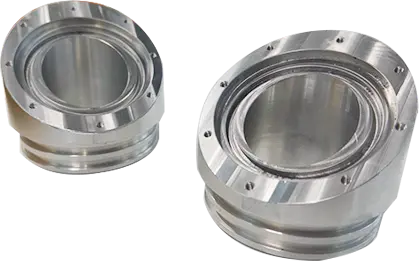
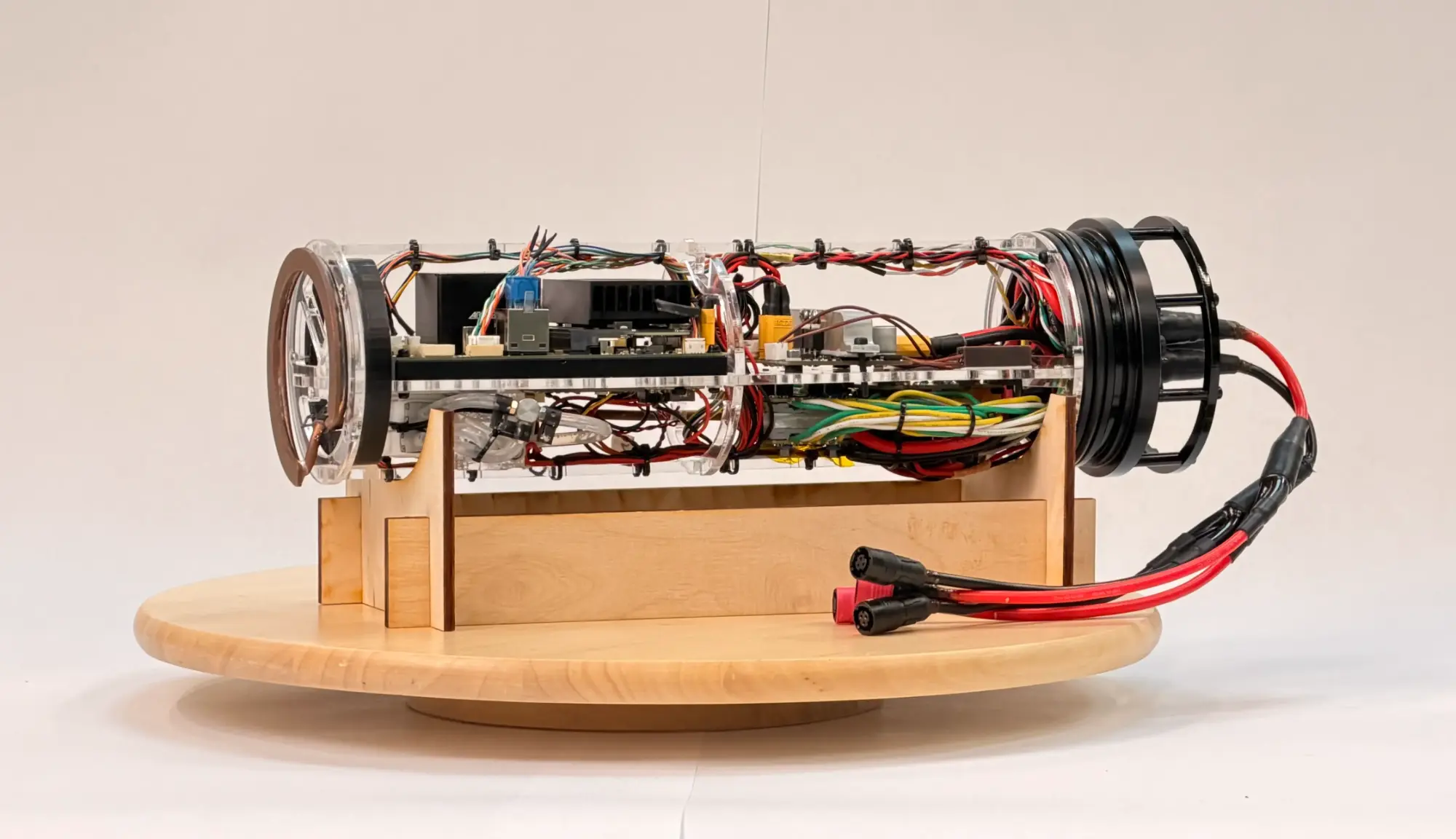
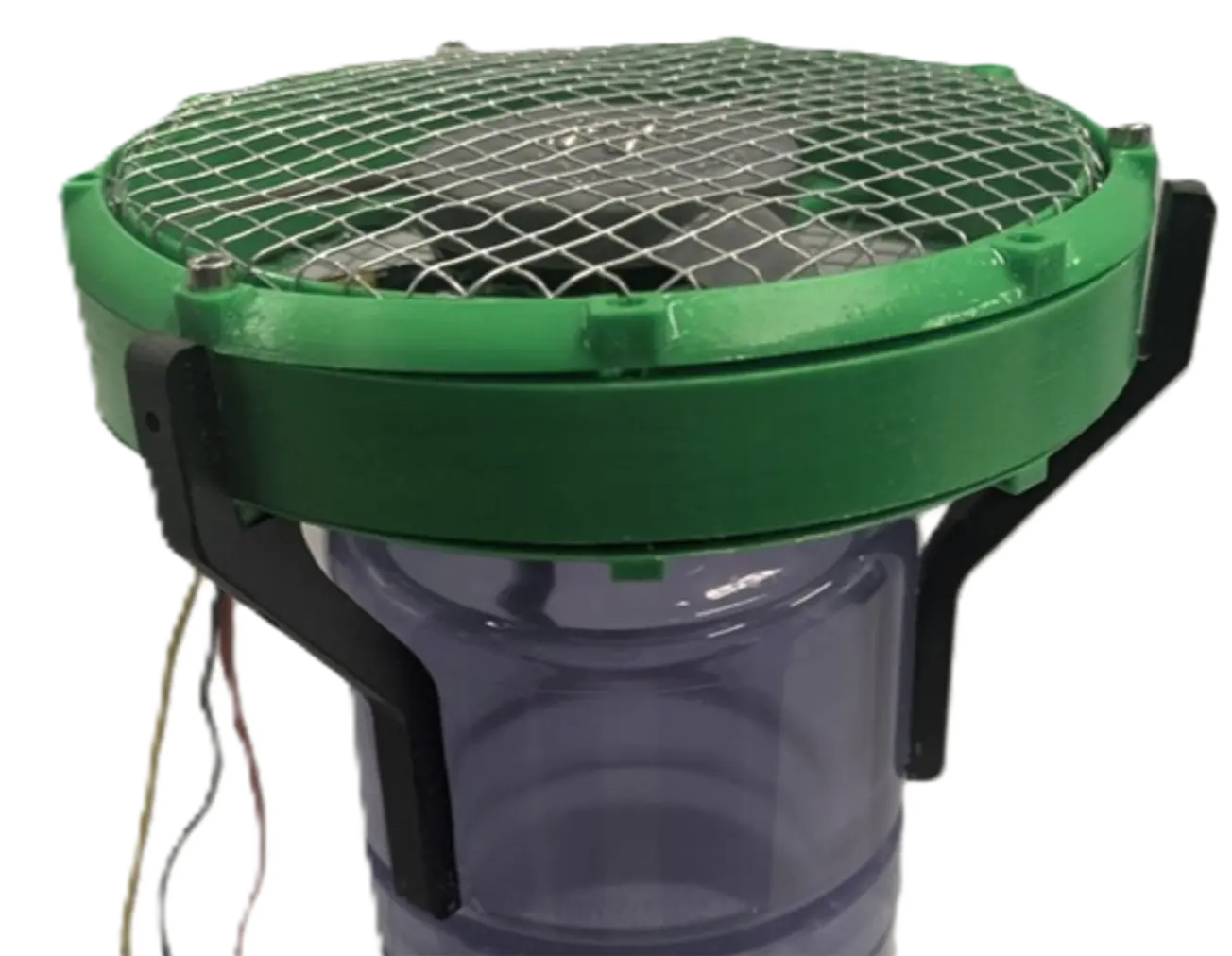
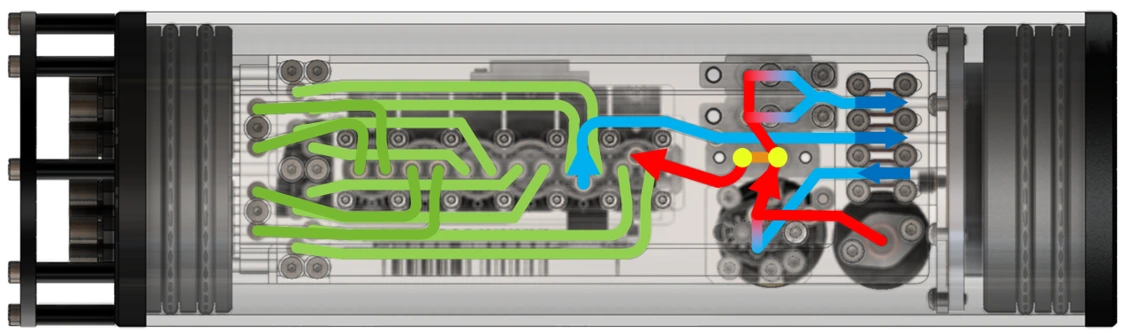
This year, the Robosub’s main brain features an internal cooling loop with a heat exchanger connected to the front camera lid. Thanks to this solution, no external cooling water is needed. The system cools the supercomputer, motor drivers, and power management boards while heating the front camera lid to prevent condensation from obstructing the camera view.

It is still powered by the Jetson Nano and the PX4 Pixhawk.

The Pixhawk supports multiple communication protocols, including 40 MHz, I2C, PWM, and more.

It also handles thruster management and motion control with precision.
Communication board

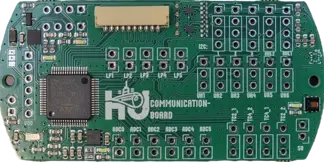
Every module has its own communication board that converts local sensor data to a shared bus.

A small microcontroller in each module makes navigation data and storage accessible everywhere.

New modules plug into the network with just an input and output connector, reducing cable spaghetti.

This year, our new communication board is 40% smaller and includes additional functions, allowing us to develop more stable software and make use of reliable two-way communication.

Power module

This year, we chose a custom-designed and custom-built 24 V battery system with a capacity of more than 15,000 mAh. The module includes several safety features, such as individually fused balance leads. The BMS protects against overcurrent, under- and overvoltage, short circuits, over-discharge, and overheating.

Function-specific thrusters

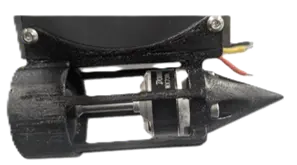
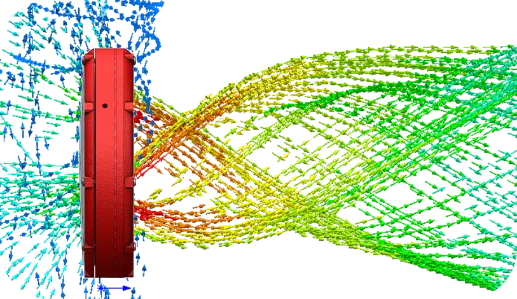
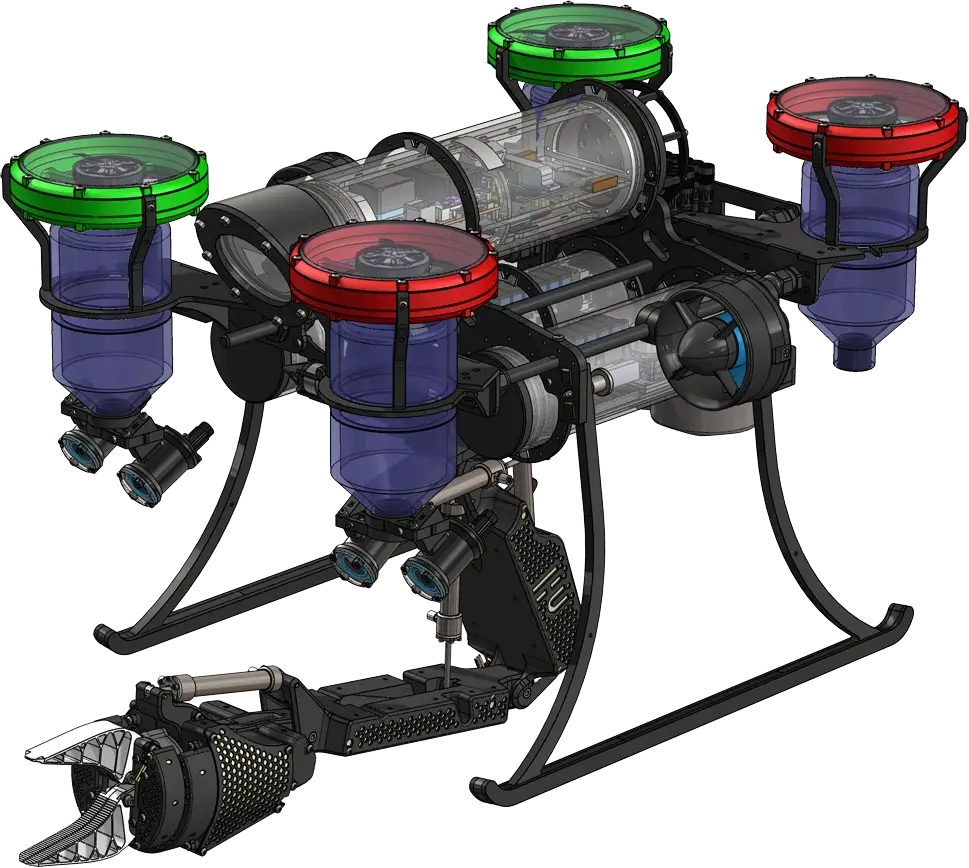
For Robosub ’26, we optimized the thruster design for better space efficiency and task-specific functionality. This resulted in three types of thrusters: four flat Z-thrusters, two thin strafing thrusters, and two powerful forward thrusters.

Buoyancy module

This year the buoyancy system was greatly improved; not only were the pressure pump, valve block, and sensor improved, but the new design has no fittings or connections inside the tube to direct the water flow. All the channels and connections are integrated in a multilayer valve block. Eliminating internal leakages.

Hydraulic manipulator

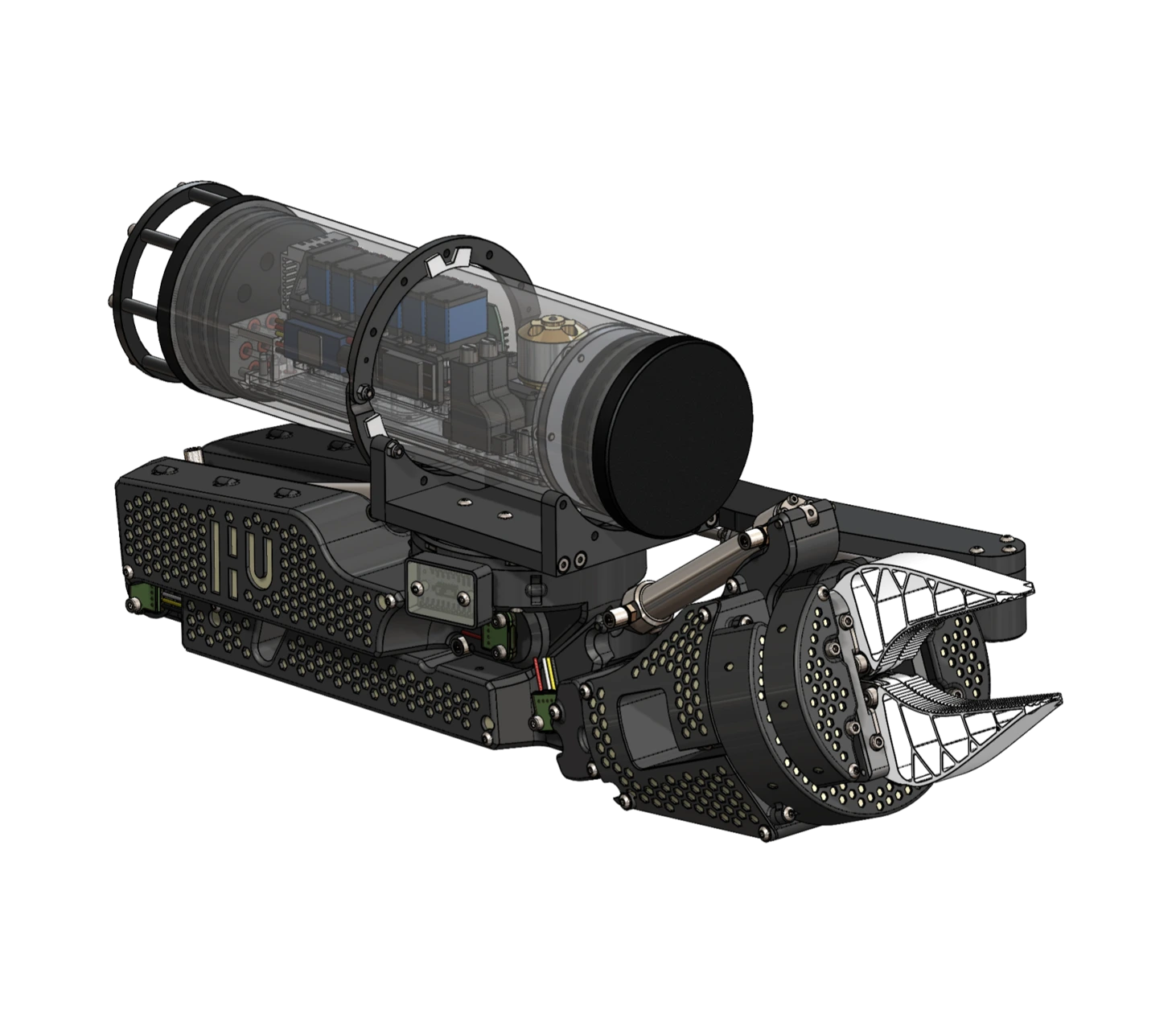
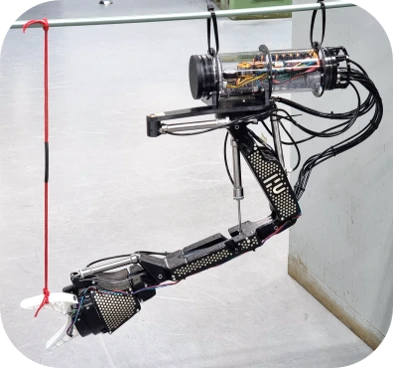
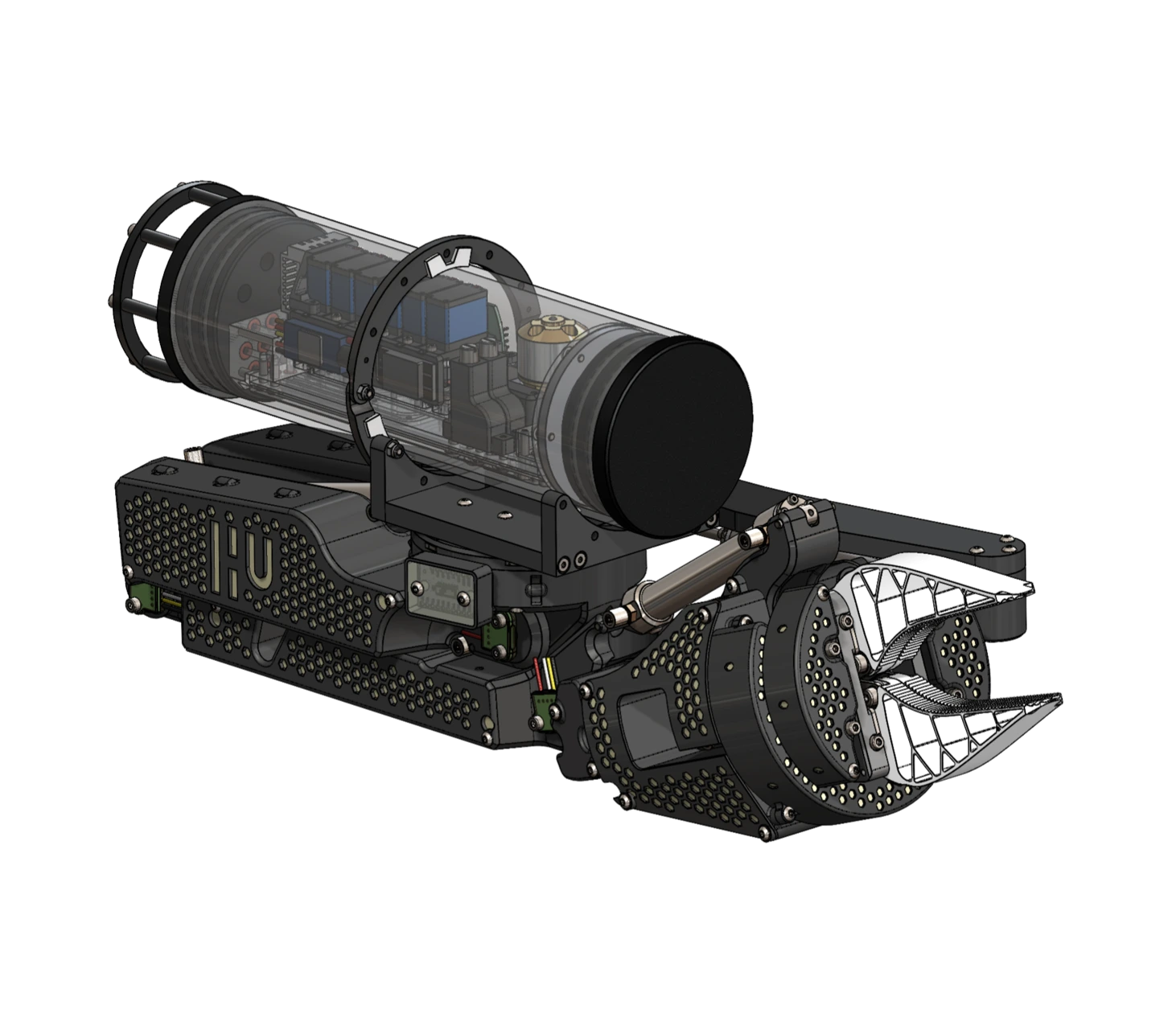
This year, we significantly improved our 6-axis hydraulic manipulator for versatile movement. It weighs only 2 kg and can lift 1 kg.

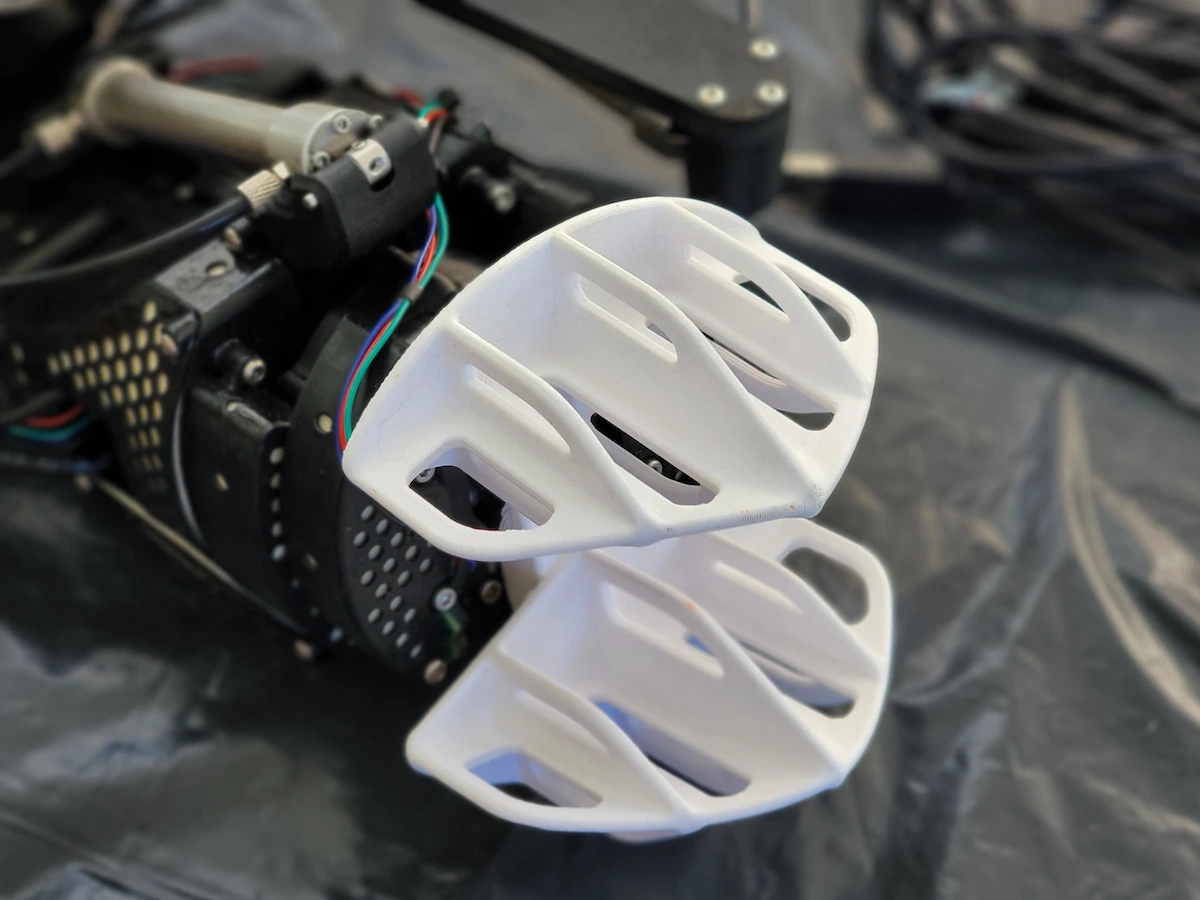
It is equipped with a quick-change dovetail gripper interface, allowing grippers to be swapped quickly for task-specific use. One of these grippers is a multipurpose fin-ray gripper for precise handling. Another option is a self-centering gripper for valve operation.

Integrated buoyancy foam makes each segment neutrally buoyant, ensuring stable and efficient operation.

Quick-change grippers

This enables the hydraulic arm to be quickly adapted to different applications.

The flexible fin-ray grippers conform around the object, making it suitable for a wide range of applications.

The self-centering grippers are specially designed for the TAC-Challenge and allow for easier alignment with the valves.

Hydraulic control module

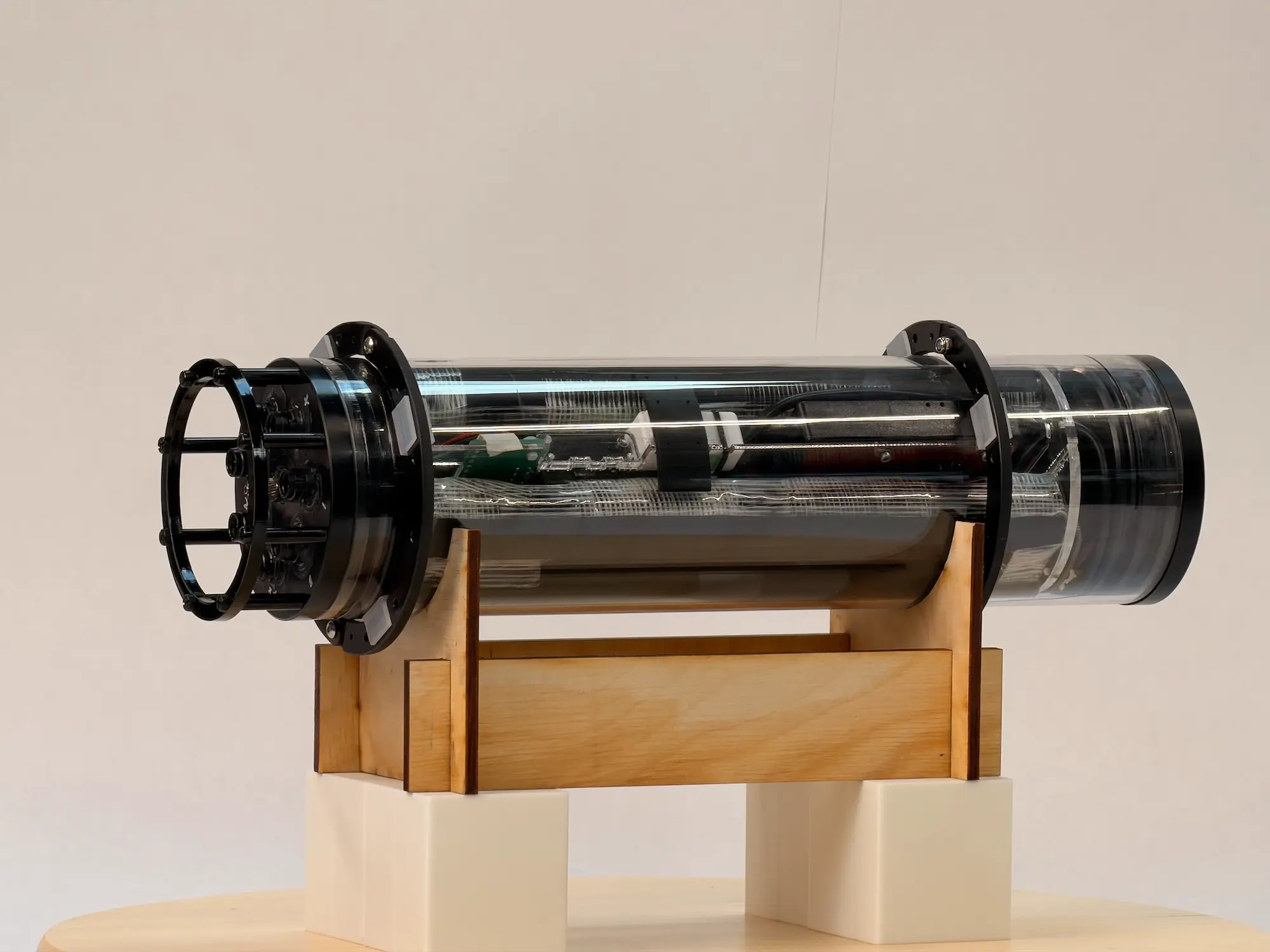
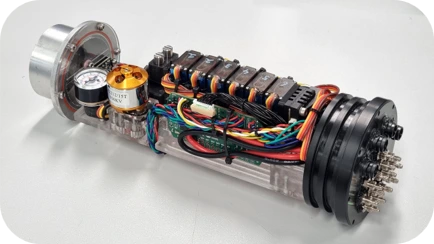
To prevent internal leakage this year, the hydraulic module was upgraded to a multilayer valve block, eliminating all internal hoses and hose connections. The compact hydraulic module fits entirely inside an Ø80 × 240 mm pressure tube.

It operates at 12 bar using sunflower oil for reliable and environmentally friendly performance.

A custom valve block controls six actuators and can lock the arm in position without pump power.